


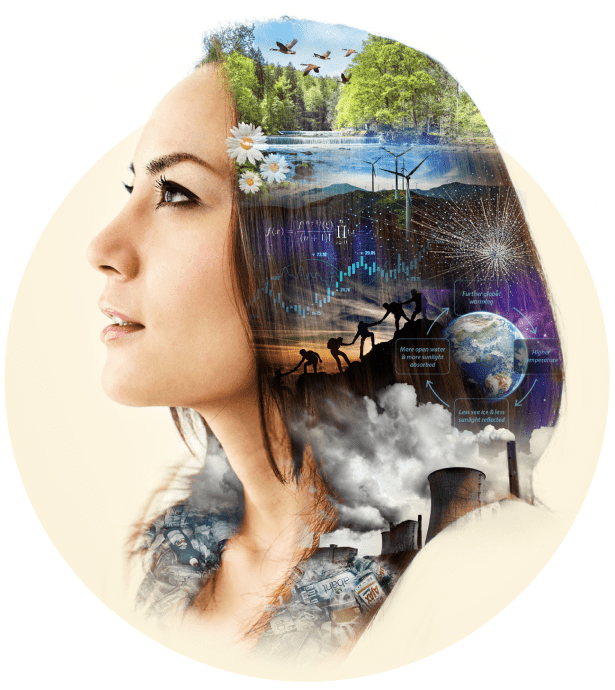
- What: A live, cohort-based course on climate change and systems thinking
- Format: Twice weekly, two hour sessions on Zoom, over 13 weeks
- Group Size: up to 20 participants, two facilitators per session
- Cost: Fully sponsored. No tuition fee.
- Cohort begins: September 14
- Apply by: September 10
- Places Available: 15
Upcoming Sessions
Common Earth Insights
Global Cohorts
– September 14 to December 10, 2026
Mondays and Thursdays
Group 1: 8 am to 10 am (Eastern)
Group 2: 12 pm to 2 am (Eastern)

THIS IS NOT JUST ANOTHER ONLINE COURSE
There are not hundreds of anonymous faces watching recorded lectures.
Common Earth brings together small groups of up to 20 people. You meet live on Zoom twice each week. Every session has two facilitators.
And over 13 weeks, something unusual happens.
You begin to see connections you may not have seen before. You encounter people from different countries, professions, ages and experiences. You challenge assumptions, including your own.
And gradually, the climate crisis begins to look different.
Not simpler. But perhaps more understandable.
And with that understanding comes something enormously important: agency.

A GLOBAL CONVERSATION ON CLIMATE CHANGE
More than 500 people from 57 countries have now participated in Common Earth programs.
They have included educators, businesspeople, students, scientists, community leaders, professionals, activists, and people who simply wanted to understand what is happening to our world.
They don’t necessarily agree with one another. That’s part of the point.
Common Earth isn’t about teaching people what to think. It’s about learning how to see.
15 PLACES THIS SEPTEMBER
Common Earth was founded on the belief that cost should not prevent someone from participating in this conversation. The program is therefore fully sponsored by Friends of Common Earth. There is no tuition fee.
What we ask instead is something more valuable: your commitment.
The program meets twice each week for two hours, over 13 weeks. We ask participants to come prepared to engage seriously: with the material, with the other people in their group, and with their own assumptions.
For the September cohort, starting September 14, we have 15 fully sponsored places available. Applications close September 10th.
We’re looking for curious people. People who care about what is happening to our world. People who aren’t satisfied with easy answers. People willing to consider the possibility that changing the future might begin by changing how we see the present.
If that sounds like you, we’d love to hear from you.

Course Content

The Climate Crisis
The Climate Crisis
- We explore the growing anthropogenic causes and implications of our changing climate.
- We examine ways in which we can best respond to them.
- This element is present throughout the course and connects all other themes.
Systems Thinking

Systems Thinking
- Systems thinking equips us with dynamics and principles that help us make sense of even the most complex system.
- Understanding the world this way provides transferrable skills allowing for a greater understanding of the dynamics of any situation.
- We learn to see the dynamics holding our current systems in place and where to intervene to create positive, lasting change.
The Nature of Human Experience

The Nature of Human Experience
One of the foundational premises for Common Earth is the centrality of thought and our ability to influence how we experience the world around us. Once we understand that this is common to all human systems, it becomes that much easier to see how we can write a different story that better serves us and the planet.
The Origin Story

The Origin Story
Every civilization has an origin story. These stories bind a community together and give meaning to individual lives. While honouring the world’s cultural diversity, the world now needs a globally unifying story of how we came into being.
We explore deep time and the history of the universe to give us a more expansive perspective on both present and future generations.
Modern mathematical cosmology is the awe-inspiring story that unifies all beings on the planet and addresses the oneness of it all.
The Economy

The Economy
With the support of new economic theories, we explore how our current economic systems are contributing to the climate crisis.
From corporate monopolies to the role of growth, debt, and the concentration of wealth; we explore how these aspects of our current economic and social systems accelerates the climate crisis.
With this understanding, we explore more inclusive economic models that can move us towards a more just and sustainable world.
Heat and Energy

Heat and Energy
Through an exploration of fundamental physics principles of thermodynamics, we reach a richer understanding of how energy systems work and our dependency on them in our daily lives. This will empower us to understand the constraints we have to work with, and will inform us on how to move to a post-carbon caring society.
The Food System
The Food System
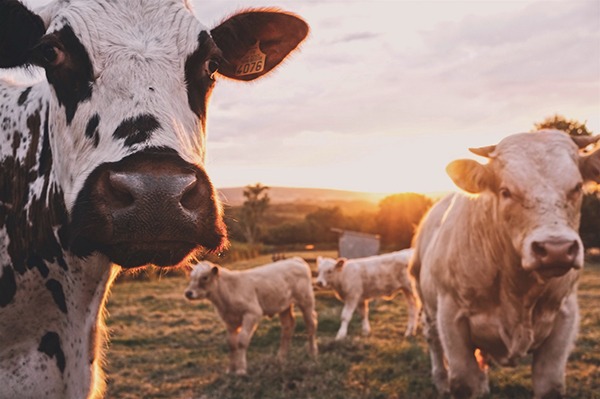
An exploration that allows us to contrast the idealized image of food production with the reality of the industrial food system.
This system is nested within other complex systems, including ecology, economics, and culture.
To create a sustainable food system, we must address its complexity, reevaluate practices, and adopt a regenerative agriculture model that will allow us to nourish the planet and ourselves.
Regenerative Agriculture
Regenerative Agriculture
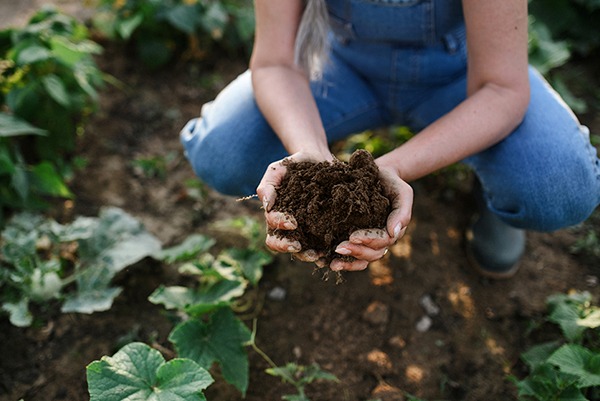
Regenerative agriculture approaches farming with a focus on growing healthy soil, plants, and ecosystems while putting carbon in its place.
Biomimicry

Biomimicry
The field of biomimicry looks at our most challenging issues and applies solutions inspired by nature. From aerodynamics to colour-changing properties, the natural world has elegant solutions to our sustainability problems if we only look to the wisdom of nature to guide us.
Community

Community
With a deeper understanding of how natural communities work through support and reciprocity, we become empowered to see the possibility in our own lives. This enables us to create stronger, more caring communities for ourselves and our planet.
Register for an Open House
As part of the registration process, please join one of our open house sessions. These interactive sessions help you understand the course, align expectations, ask questions, and decide if it’s right for you.

Check Your Local Time

Reach Out
We love talking about what we do and how it can make a difference to you.